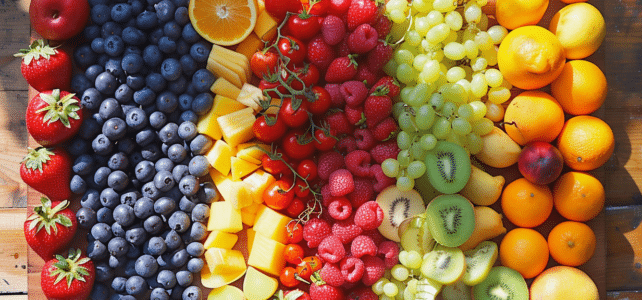
Fruits, with their array of colors, flavors, and textures, are more than just natural sweets; they are essential pillars of a balanced diet. Each variety contains a unique cocktail of nutrients, vitamins, minerals, and fibers. Understanding the specific benefits of different fruit varieties can optimize nutritional intake and strengthen overall health. From vitamin C-rich citrus to antioxidant-packed berries, and potassium-loaded bananas, the range of options provides a palette to customize one’s diet according to individual needs.
The nutritional role of different fruit varieties
Fruits have numerous nutritional virtues, foremost among them their richness in vitamins, antioxidants, and fibers. These components are essential for maintaining good digestion and regulating nutrient absorption. They also play a protective role against premature cell aging. In this regard, red fruits, with their high antioxidant content, are often cited for their contribution to a healthy and balanced diet.
Dried or dehydrated fruits, due to their high sugar concentration, have energy-boosting properties and are ideal for supporting physical effort. They should be consumed in moderation due to their higher caloric content. In contrast, nuts stand out for their richness in omega-3 fatty acids, plant proteins, fibers, vitamins, and minerals, contributing to reduced mortality, particularly by promoting cardiovascular health.
The apple, the quintessential everyday fruit with a negligible apple weight in a controlled diet, contains pectin and flavonoids. These compounds help prevent cardiovascular diseases. The banana, rich in potassium, promotes intestinal transit and reduces the risk of kidney cancer. The orange, an effective immune system supporter, also plays a role in the prevention of certain types of cancer.
Other fruits, such as kiwi, which is very high in vitamin C, and blueberries, with their very high antioxidant capacity, are excellent allies in combating external aggressions and preventing cardiovascular diseases and certain cancers. Avocado, a source of vitamins and minerals, contains antioxidant compounds and dietary fibers while providing beneficial unsaturated fats for cardiovascular health. Each fruit carries specific benefits, inviting a diverse consumption for optimal nutritional interest in fruits.

How to integrate fruits into a balanced diet
Adopting a healthy diet inevitably involves the presence of fruits in the daily regimen. However, the integration of these should be done with discernment. Fruit juices, often stripped of fibers, are considered liquid sugars and can cause blood sugar levels to rise quickly. Therefore, prioritize whole fruits, which retain their fibers and allow for a slower absorption of sugars.
The nutritional values of fruits vary, and some can be selected for their lower caloric content or reduced carbohydrates. The consumption of dried fruits and nuts should be balanced due to their energy density. Energy-rich, indulgent, and unsweetened fruit compotes represent an interesting alternative for incorporating fruits into the diet while controlling sugar intake.
To meet nutritional recommendations, fruits and vegetables should represent a significant portion of daily food intake. Varying the fruits consumed, taking into account their nutritional specificities, is a wise strategy to benefit from a wide spectrum of vitamins, minerals, and fibers. Consume fresh fruits according to the seasons, incorporate nuts into your snacks, and opt for dried fruits in small quantities to enrich your daily diet.