Sardinia is not just about its turquoise beaches and Mediterranean architecture. The Italian island has a unique commercial fabric, where Sardinian craftsmanship and fashion brands coexist in pedestrianized historic centers. Understanding how this shopping is organized, city by city, helps avoid tourist traps and spot the addresses worth visiting.
Sardinian craftsmanship and identity products: what distinguishes shopping in Sardinia
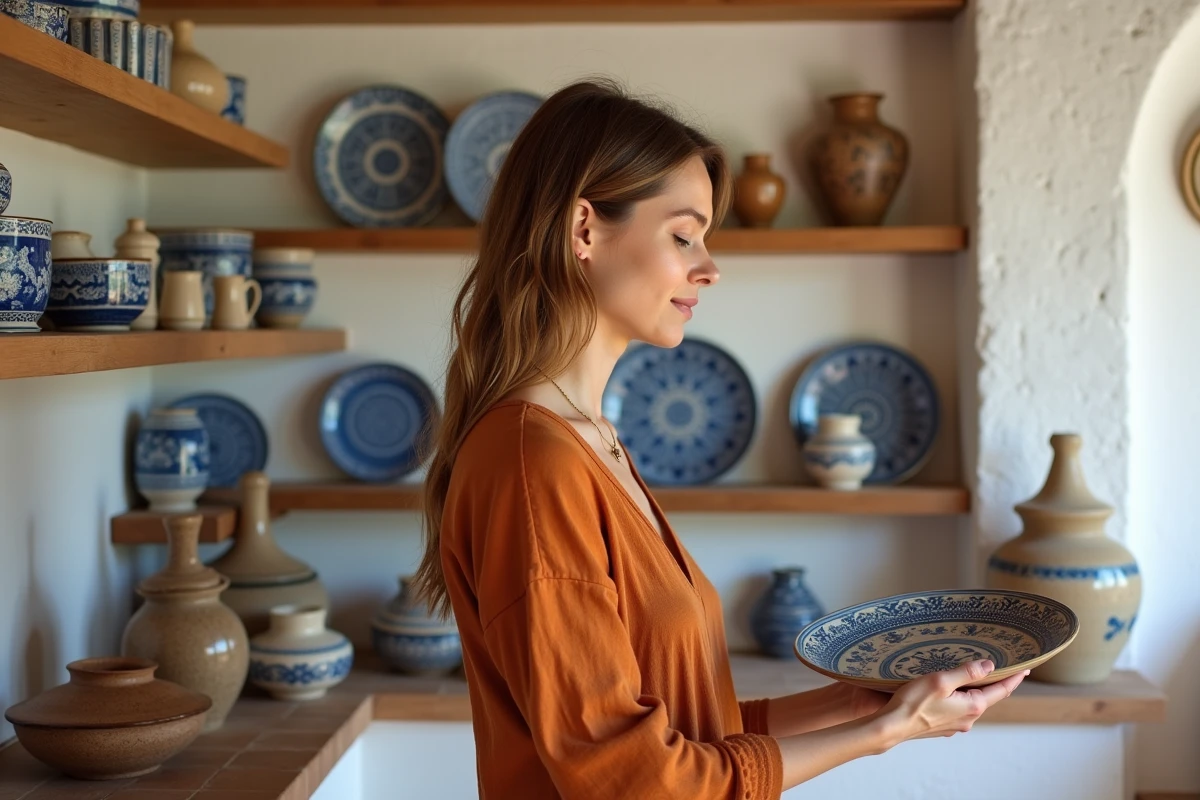
Sardinian commerce stands out for the emphasis placed on local identity products. Hand-painted ceramics, traditional weavings, filigree jewelry, and gourmet specialties (cheeses, bottarga, bitter honey) occupy an increasing share of shop windows, even in the most touristy areas.
This trend can be seen on the shopping streets of Olbia as well as in the alleys of Cagliari. Craft shops are no longer confined to ephemeral markets: they are setting up between ready-to-wear brands, creating an atypical mix in the Mediterranean. When searching for the best stores for shopping in Sardinia, you will find both ceramic workshops and fashion concept stores.
Buying a local item here replaces the generic souvenir. A fabric woven in the province of Nuoro or a piece of jewelry signed by an artisan like Creazioni Antonello in Nuoro tells more about the island than a refrigerator magnet.
Corso Umberto in Olbia: the most dynamic shopping street on the island
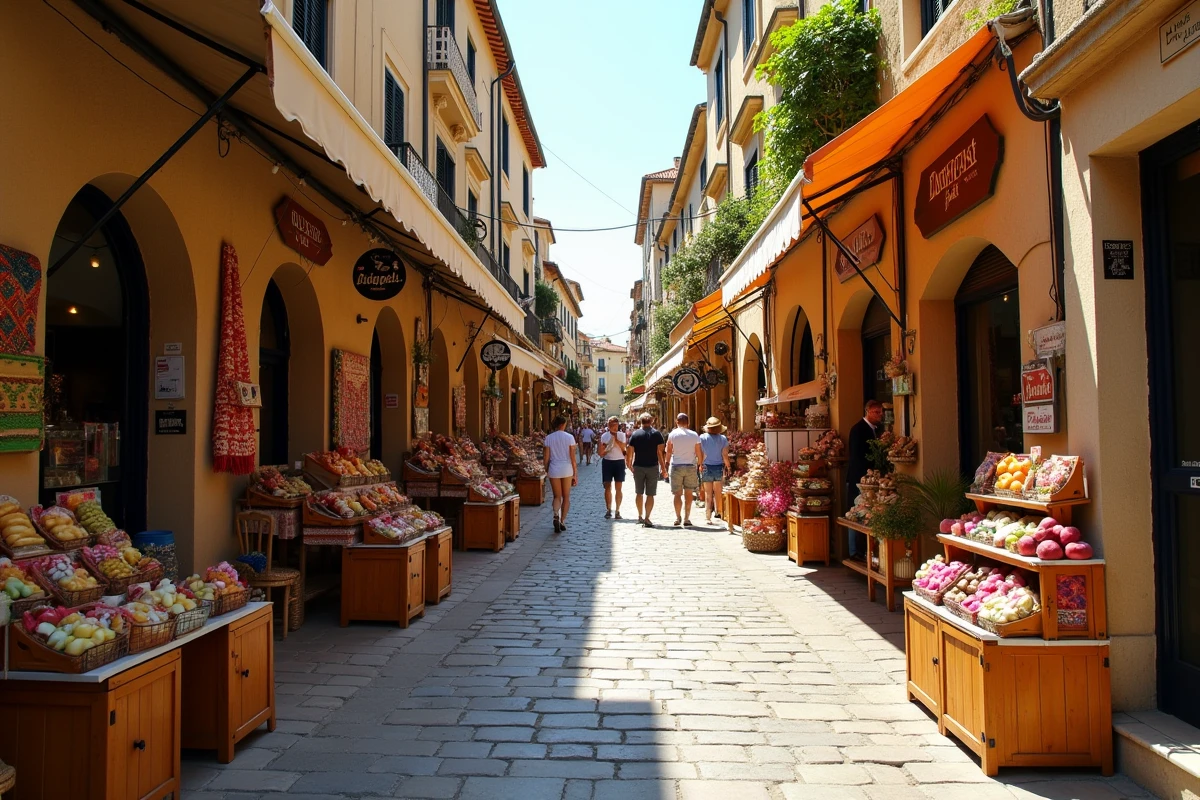
Olbia has become a major gateway to Sardinia, driven by the growth of air traffic at its airport. This influx has had a direct effect on commerce: Corso Umberto I now concentrates a remarkable density of ready-to-wear shops, artisan stores, and bars.
The street, largely pedestrian, comes alive particularly in the evening. You will find Italian fashion brands alongside small independent shops offering Sardinian creations. The leisurely pace, between a shop window and a gelato, makes Corso Umberto a model of what recent guides call “leisurely shopping.”
What you can find on Corso Umberto
- Italian ready-to-wear shops (national brands and local designers) spread along the entire length of the avenue
- Sardinian artisan workshops selling ceramics, filigree jewelry, and hand-woven textiles
- Gourmet grocery stores offering bottarga, sheep cheeses, and myrtle liqueurs, often with tastings
- Bars and restaurants that extend the shopping experience into the late evening
Corso Umberto functions like a village street where one naturally transitions from shopping to aperitif. This continuity between commerce and social life explains why Olbia now attracts visitors who are merely passing through to Costa Smeralda.
Shopping in Cagliari: the historic center rather than shopping malls
The Sardinian capital has department stores like Rinascente or Coin, but the historic center of Cagliari offers a richer experience than the peripheral commercial areas. The alleys descending from the Castello district to the Marina are full of independent shops.
The Marina district, close to the port, mixes trendy concept stores and recycling shops. For example, Alice Corongiu’s shop in the historic center offers vintage and second-hand items in a spirit of creative recycling, contrasting with the standardized offerings of chains.
Cagliari for gourmet shopping
The covered markets of Cagliari are worth a visit for those interested in Sardinian food products. You can find fresh tuna, bottarga, aged cheeses, and local wines at prices significantly lower than those in seaside areas. Shopping at the market in Cagliari often costs half as much as in tourist resorts.

Alghero and northern Sardinia: off-the-beaten-path shopping addresses
Alghero, on the northwest coast, has an old town with Catalan influences where shopping takes on a different hue. Red coral jewelry is a local specialty, crafted by artisans who have been working in the alleys of the historic center for several generations.
The northern part of the island also offers lesser-known addresses. The areas around Castelsardo, Porto Cervo, and the La Maddalena archipelago combine beach shops and craftsmanship. Porto Cervo remains a reference for luxury shopping in Sardinia, with high-end brands concentrated around the Piazzetta.
How to distinguish authentic craftsmanship from industrial souvenirs
- Check for the mention “artigianato sardo” or the ISOLA label, which certifies the Sardinian artisanal origin of the product
- Prefer workshops where the artisan works on-site (common in Alghero for coral, in Nuoro for filigree jewelry)
- Beware of ceramics sold in lots at very low prices in port areas, often imported
This vigilance applies throughout the island, but particularly in areas with high summer traffic like Costa Smeralda or the port of Cagliari.
Shopping periods and hours in Sardinia
Sales in Italy (saldi) generally begin in early July and early January, with progressive discounts that can reach significant levels at the end of the period. These dates apply in Sardinia just as they do on the mainland.
Opening hours follow the Mediterranean rhythm: frequent closures between 1 PM and 4 PM in independent shops, then reopening until 8 PM or later during the summer season. Shopping centers on the outskirts of Cagliari and Sassari remain open continuously.
On Sundays, most shops in the historic center close off-season. In July and August, Sunday openings become common in tourist cities like Olbia, Alghero, and the Costa Smeralda resorts.
Shopping in Sardinia is best approached as an extension of cultural visits rather than a separate activity. The best finds often occur in an alley of the historic center, between a baroque church and a granita bar, where local craftsmanship coexists with the daily life of Sardinians.