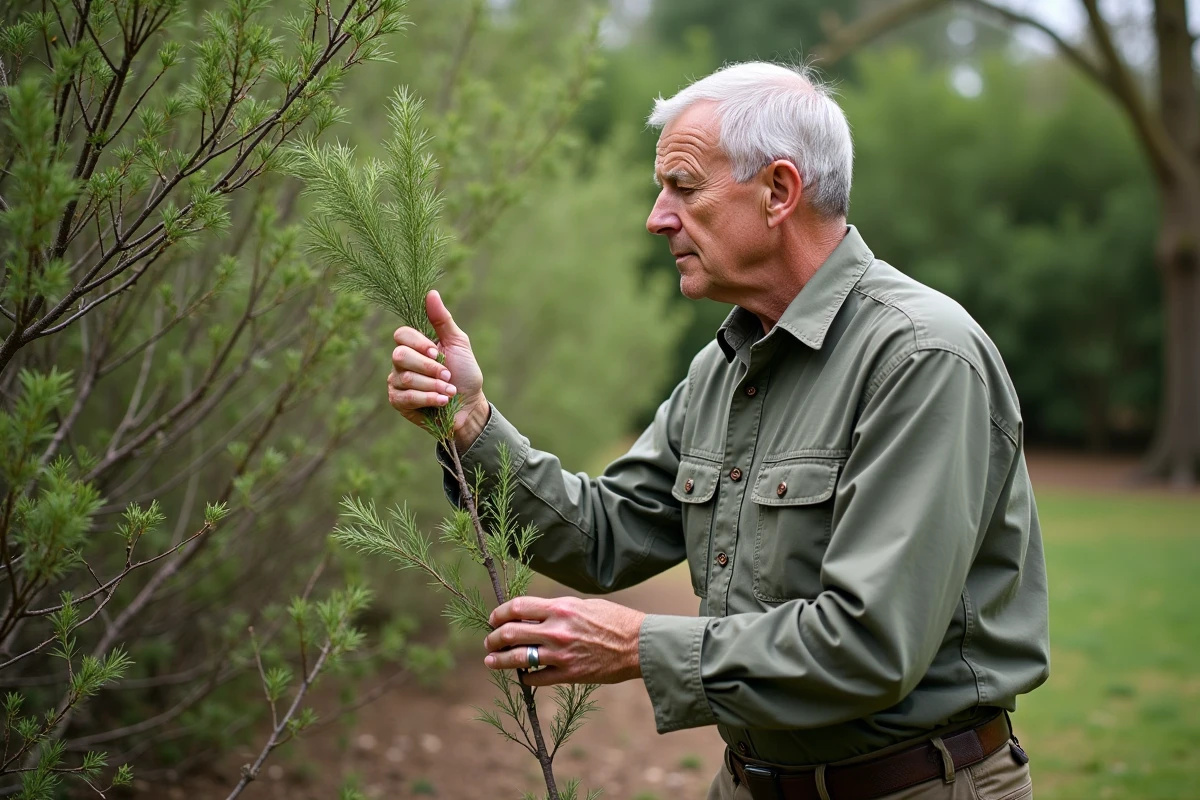
The name Otatea acuminata rarely appears on lists of edible plants, despite its rapid growth and edible stems. This grass, often confused with other bamboos, has its own culinary and medicinal uses, passed down locally for generations.
Some gardeners incorporate it into their vegetable gardens to diversify their harvests and take advantage of its young shoots rich in nutrients. The cultivation requirements differ significantly from other bamboo species, which is generating increasing interest among enthusiasts of edible and aromatic plants.
Otatea acuminata, the bamboo of Mexico: an amazing plant to discover
Otatea acuminata, nicknamed bamboo of Mexico, belongs to the large family of Poaceae. Native to Jalisco, Colima, and Michoacán, this grass has managed to thrive in climates as contrasting as Var or the Mediterranean basin. It is not afraid of biting winters, withstands temperatures as low as -15°C, and is distinguished by its clumping growth: it forms structured tufts that are never invasive and respect their space.
Its long, flexible leaves cascade down in a tender green, contrasting with the harshness of the dry, stony soils it favors. Gardeners who know it understand that it is not demanding: sun, light shade, calcareous or well-drained soil, it adapts effortlessly. It is hard to resist its robustness and ease of maintenance, especially when it comes to creating soft hedges, natural screens, or exotic decor in our gardens.
Otatea acuminata does not settle for a simple decorative role. Used in pots, borders, or in a Mediterranean garden, it pairs particularly well with other species. Here are some companions that create a harmonious ensemble with it:
- Lavandula angustifolia
- Stipa tenuissima
- Olea europaea
- Rosmarinus officinalis
This type of association gives rise to balanced scenes, combining rusticity and elegance. Its tufted habit, with a moderate growth of between 3 and 5 meters, makes it a valuable ally for structuring space while promoting biodiversity. To delve deeper into the subject, learning more about rhus viminalis allows for exploring other botanical avenues.
What are the botanical characteristics and uses of this original grass?
Otatea acuminata, under the evocative name of bamboo of Mexico, stands out with its unique silhouette. This grass, part of the Poaceae, grows in compact and orderly clumps, never spilling over. Its tall and flexible form, easily reaching 3 to 5 meters in height, creates a vegetative curtain with a clear design. Its long, drooping foliage reacts to light and subtly plays with the shadows in the garden.
Its cold resistance, down to -15°C, places Otatea acuminata among the few bamboos suited to Mediterranean conditions. Its discreet root system facilitates its cultivation in pots, its planting in hedges, or its integration as a vegetative screen in settings that evoke exoticism or southern sobriety. This perennial plant tolerates calcareous or well-drained soils, making it reliable in both dry summers and harsh winters.
Its uses go far beyond ornamentation. Otatea acuminata pairs wonderfully with other perennials. Among the successful combinations that structure the garden, we find:
- Lavandula angustifolia
- Stipa tenuissima
- Olea europaea
- Rosmarinus officinalis
These assemblies create water-efficient beds, rich in textures and contrasts. Its flexible foliage, total absence of spreading rhizomes, and robustness make it a safe alternative to traditional bamboo. It perfectly meets the expectations of gardeners who prioritize resilient, economical, and varied spaces.

Integrating Otatea acuminata and other edible or aromatic plants into a vegetable garden: tips and inspirations
In a Mediterranean-inspired vegetable garden, Otatea acuminata naturally finds its place. Its dense silhouette structures spaces without ever invading, while its ability to thrive in draining soils and withstand drought facilitates coexistence with vegetable and aromatic crops. All this, without disrupting the natural cycle of other plants.
To create a coherent ensemble, it is enough to focus on species that share the same preference for light and low-maintenance soil: Lavandula angustifolia and Rosmarinus officinalis are good partners. They enjoy the sun, tolerate poor or only moderately fertile soil, and require infrequent watering. The light foliage of the bamboo of Mexico filters the light, thus protecting more sensitive plants from the heat of summer.
For an even richer effect, one can introduce Stipa tenuissima or Pennisetum alopecuroides. Their airy texture enhances the verticality of the bamboo. The olive tree (Olea europaea), for its part, adds a Mediterranean touch and an edible dimension to the ensemble.
The choice of the right location makes all the difference: on the edge of the vegetable garden, Otatea acuminata offers light shade, ideal for starting delicate spring crops while protecting the most sensitive rows. The success of these associations relies on the complementarity of water needs, root management, and careful observation of plant interactions. This results in a living and nourishing vegetable garden, where the useful and the beautiful respond naturally to each other, season after season.