Choosing sports equipment and technical clothing often means stacking purchases by discipline, by season, and then by trend. The result: a cluttered closet, items worn three times, and a skyrocketing cost per actual use. This guide measures what a minimalist sports wardrobe can cover by intersecting the versatility of textiles, actual durability, and regulatory constraints that will weigh on technical materials in the coming years.
Minimalist Sports Wardrobe: Covering Four Sports with Ten Pieces
The classic reflex pushes one to buy complete equipment for each activity. The reverse logic works better: start with the textile properties and check how many sports the same piece can serve.
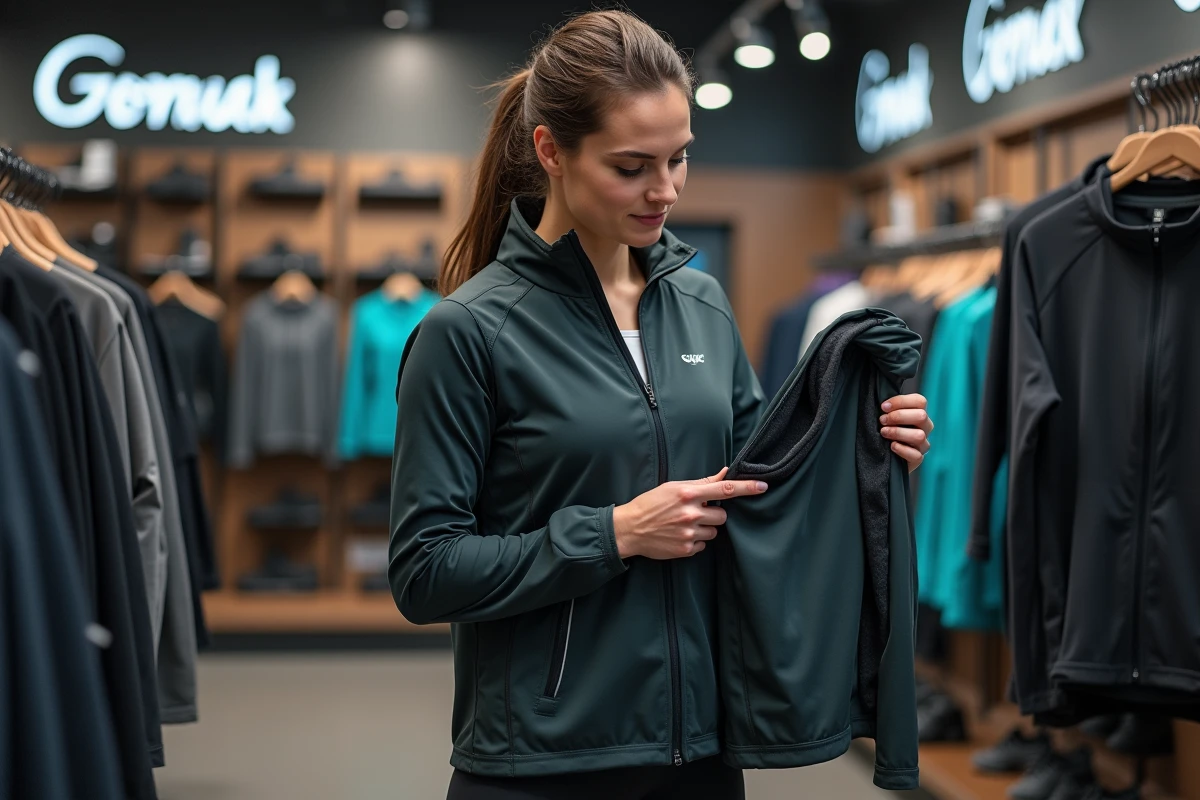
A quick-drying compression legging is suitable for running, yoga, indoor cycling, and weight training. A breathable polyester mesh t-shirt covers the same disciplines plus light hiking. This type of reasoning based on function rather than sport significantly reduces the number of necessary pieces.
Several brands now offer catalogs organized by textile property rather than by discipline, making this sorting easier. On sportlinea.fr, product sheets intersect activity type and technical characteristics, a useful format to verify the versatility of a piece before purchase.
| Piece | Dominant Material | Covered Sports | Seasons |
|---|---|---|---|
| Compression Legging | Polyester / Spandex | Running, yoga, cycling, weight training | 3 seasons |
| Breathable T-shirt | Polyester mesh | Running, fitness, hiking | Spring, summer, fall |
| 2-in-1 Shorts | Polyester / Spandex | Running, crossfit, team sports | Spring, summer |
| Softshell Jacket | Polyester / Windproof membrane | Running, hiking, cycling | Fall, winter, spring |
| Thermal Base Layer | Merino wool or brushed polyester | Hiking, cross-country skiing, winter running | Winter |
| High Support Sports Bra (women) or Technical Tank Top (men) | Nylon / Spandex | Running, HIIT, fitness | 3 seasons |
Six pieces already cover four to five disciplines and three seasons. The remaining four (a second t-shirt, a flexible pant, a pair of technical socks, an ultralight windbreaker) complete the rotation without adding redundancy.
Cost per Actual Use and Repairability of Technical Clothing
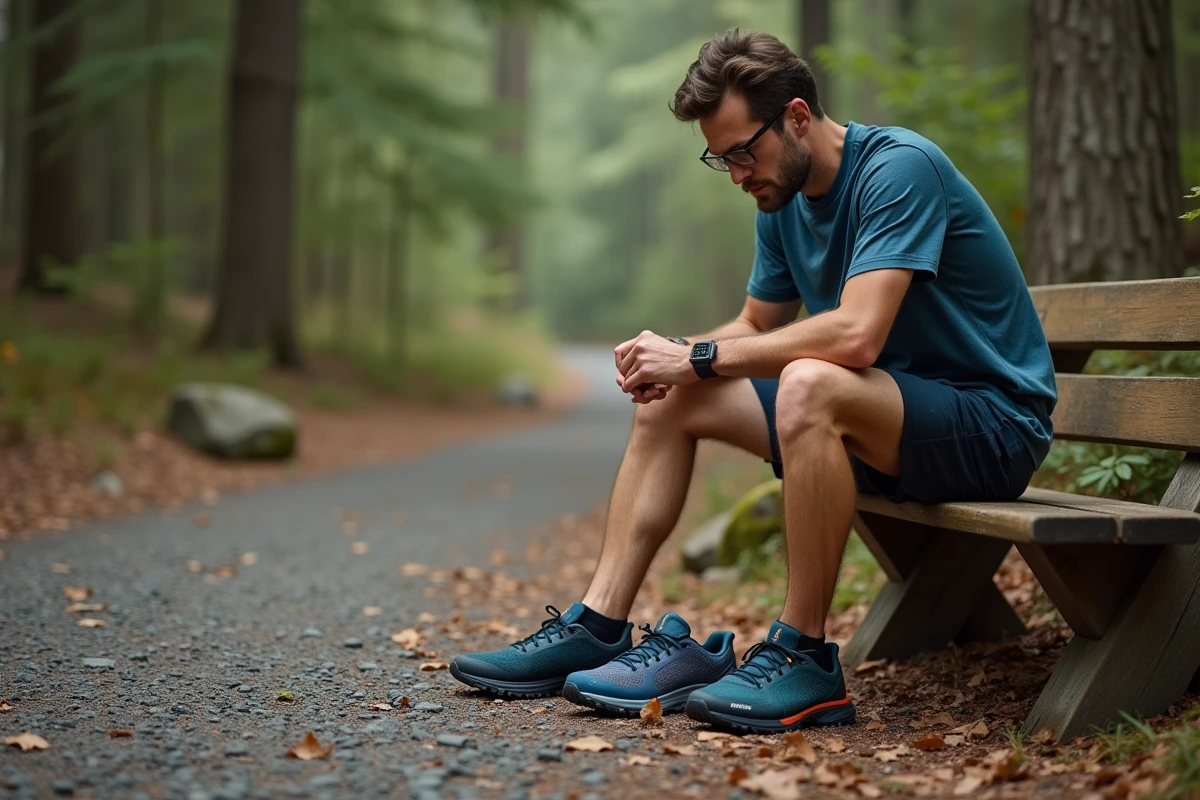
The purchase price says almost nothing about the value of a sports garment. The cost per actual use is calculated by dividing the price by the number of actual sessions. A moderately priced technical t-shirt worn two hundred times costs just a few cents per session. A premium model worn twenty times before being relegated to the closet is much more expensive.
Repairability directly extends the lifespan, thus lowering this cost. ADEME has implemented a repair bonus for clothing and shoes, with specific amounts per type of intervention:
- Large zipper replacement: 15 euros bonus; small zipper replacement: 8 euros
- Repair of a hole, snag, or tear: 7 euros bonus
- Seam repair on unlined garment: 6 euros, lined: 8 euros
- For sports shoes, a rubber sole replacement benefits from a 25 euros bonus
These amounts are deducted directly by the authorized repairer. In practice, repairing a broken zipper on a softshell jacket often costs less than buying a new jacket, and the bonus further reduces the bill.
Before buying, check two points: the availability of spare parts (zippers, cords, compatible heat-seal patches) and the garment’s construction (accessible seams, no complete bonding that prevents any alterations).
Body Mapping Textiles and Differentiated Zones: What It Changes in Daily Life
Garments with differentiated zones (compression at the calves, ventilation at the back, reinforcement at the shoulders) have long existed among specialists like Odlo, X-Bionic, or Craft. Body mapping is now arriving in accessible ranges, notably at Decathlon and Kalenji, which have integrated this principle into their running and fitness lines since 2024-2025.
The difference with a classic technical garment lies in the targeted management of heat and moisture. Instead of a uniform fabric, the shirt alternates between open meshes in high-sweat areas and denser meshes where the muscle needs support.
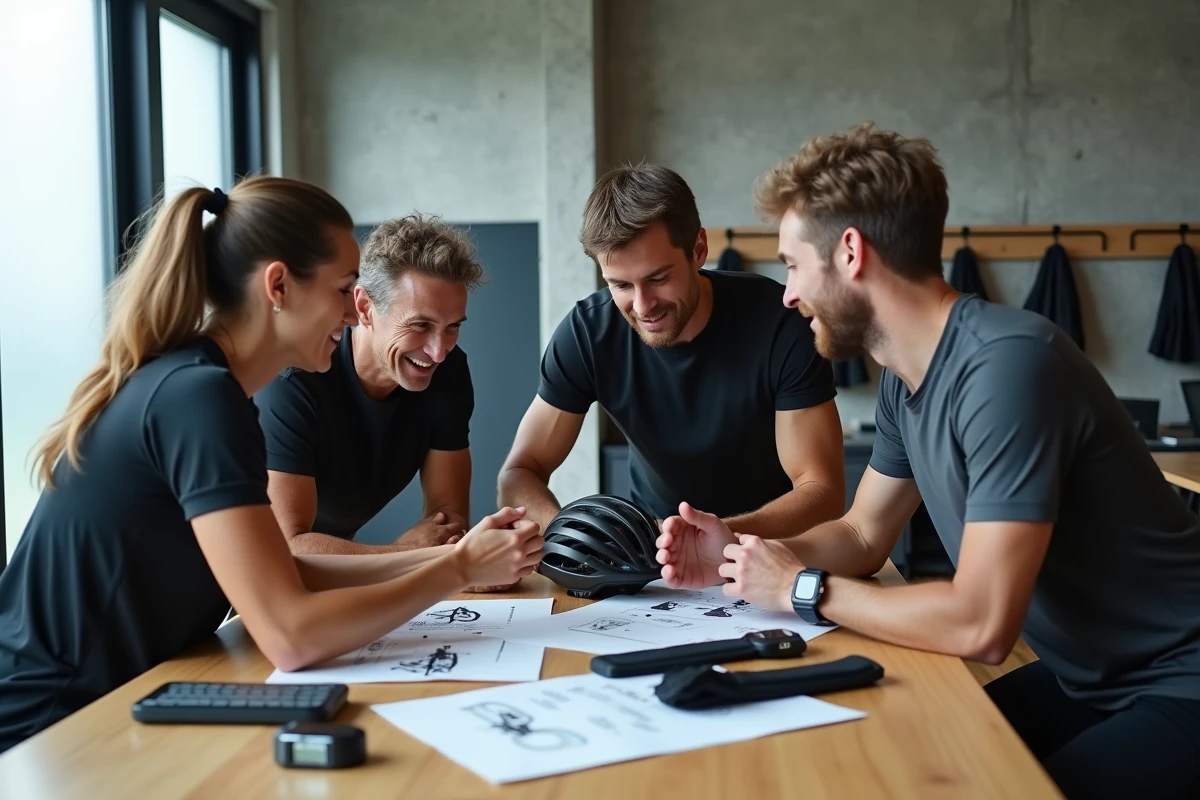
However, this zoned construction complicates repairs. A snag on a compression zone cannot be repaired like a hole on a basic t-shirt. It’s a trade-off to clearly consider: does the comfort gain per session compensate for a potentially shorter lifespan if the garment is difficult to repair?
Regulatory Constraints on Technical Textiles: What’s Coming
Synthetic fibers (polyester, nylon, spandex) dominate sports equipment for their quick-drying and moisture-wicking properties. They also pose a known environmental problem: the release of microplastics during washing, energy consumption during manufacturing, and non-biodegradable end-of-life.
European regulations on textiles are evolving towards greater traceability and extended producer responsibility. Choosing durable and repairable pieces anticipates these constraints rather than suffering a forced wardrobe renewal in a few years.
Observing labels and certifications remains the most concrete action. Environmental certifications (Oeko-Tex, Bluesign, GRS for recycled polyester) provide an indication of the manufacturing process. The precise composition (percentage of each fiber) also allows for assessing recyclability at the end of life: a single-material garment is easier to recycle than a blend of three different fibers.
- Prefer single-material pieces or a maximum of two components to facilitate future recycling
- Check for the presence of a traceability label on the production chain
- Favor brands that publish detailed care guides (washing temperature, drying, frequency) to prolong fiber longevity
The “office to gym” trend, driven by Nike, Lululemon, and Vuori with hybrid office-training collections, also pushes towards multi-use pieces. A technical polo that looks like cotton worn at the office and then in the gym mechanically reduces the total number of necessary garments.
Ultimately, choosing sports equipment boils down to a question of efficiency: how many sessions, how many disciplines, how many seasons will each piece serve before becoming unusable. Textiles are advancing, repair aids exist, and versatile pieces cover more ground than one might assume. Ten well-chosen pieces are sufficient.