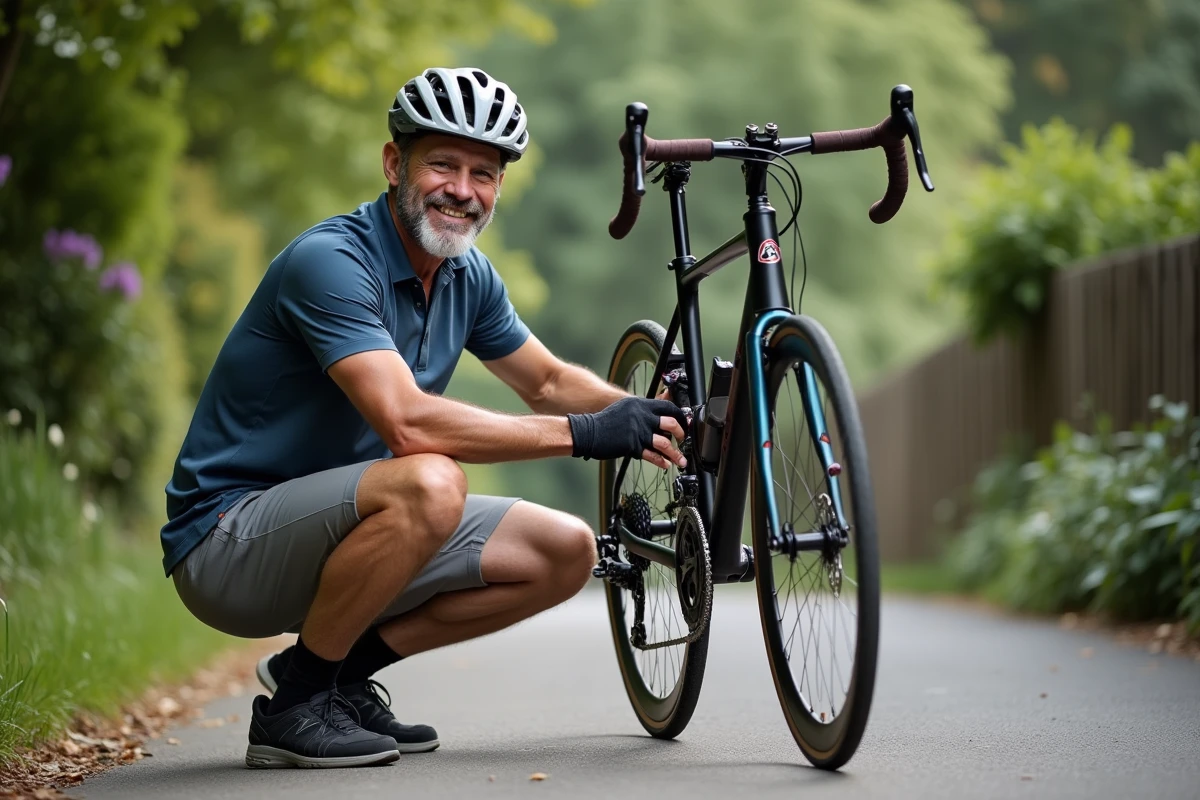
A poorly adjusted bike will sooner or later remind you of its presence: pain, underperformance, unexpected breakdowns. Most issues encountered on the road or trails stem from a neglected maintenance routine. Even high-end models wear out at an alarming rate if regular checks are forgotten.
Manufacturers sometimes challenge beliefs by recommending adjustments specific to each type of terrain. It would be a mistake to think that a bike is chosen once and for all, without considering usage or body type. The selection of components and how to care for them significantly impact the comfort, safety, and lifespan of the bike.
Starting out on a bike: how to find the model that truly suits you?
Choosing a first bike resembles a small investigation. The market is overflowing with options, which can be overwhelming. Road bike, hybrid bike, e-bike, each category has its specifics, caters to a style of practice, and adapts to different body types. To make the right choice, it’s better to identify your true desires: do you mainly ride on asphalt or do you prefer off-road paths? A road bike with an aluminum frame is appealing for its lightness and responsiveness, perfect for asphalt. In contrast, the hybrid bike is comfortable on varied terrain, ideal for alternating between city and countryside.
Comfort is not a detail. A poorly sized frame, a seat that is too hard, or a poorly positioned handlebar can turn an outing into a burden. The best approach is to try in-store, talk to an experienced advisor, or rely on recommendations from seasoned cyclists. The growing interest in cycling in France and Europe facilitates access to expert opinions and numerous user reviews.
At your beginnings, do not underestimate secondary equipment: a mudguard for wet paths, a rack to carry essentials, proper lighting to return safely. These accessories make a difference from the very first ride. Stay flexible on specialization: a bike that is too specialized limits the desire for exploration. On Mister Bike, you can find tailored advice and detailed sheets for every profile, from novice to seasoned cyclist. A first trip, even modest, often fosters a lasting attachment to biking.
The essentials for preparing enjoyable rides without unpleasant surprises
Preparing for a bike trip is not something to improvise. Every detail matters to enjoy the journey, from the choice of bike bags to the adjustment of the seat and handlebar. A methodical organization is necessary: check the weather, map out the route, adjust tire pressure. Even a short outing highlights the usefulness of these preparatory actions.
Some equipment forms the basis of hassle-free rides:
- a lightweight repair kit (tire levers, inner tube, mini-pump)
- a multitool designed for biking
- visible lighting at the front and rear
- securely attached bags
Add a pouch with your documents, a map, or a small notebook to track your stages and keep a record of the journey.
Comfort is refined along the way: adjust the height of the seat or handlebar based on your sensations, monitor pressure points. For a first biking adventure, avoid bringing everything; lightness is key: every extra kilo is felt on climbs. Choose suitable tools, as they will allow you to troubleshoot without adding bulk.
Also, think about food and water. An insulated water bottle and a few bars within reach are enough to avoid energy dips. Taking care of material preparation is crucial for the success of the outing, whether it’s a Sunday ride or a multi-day bike trip.
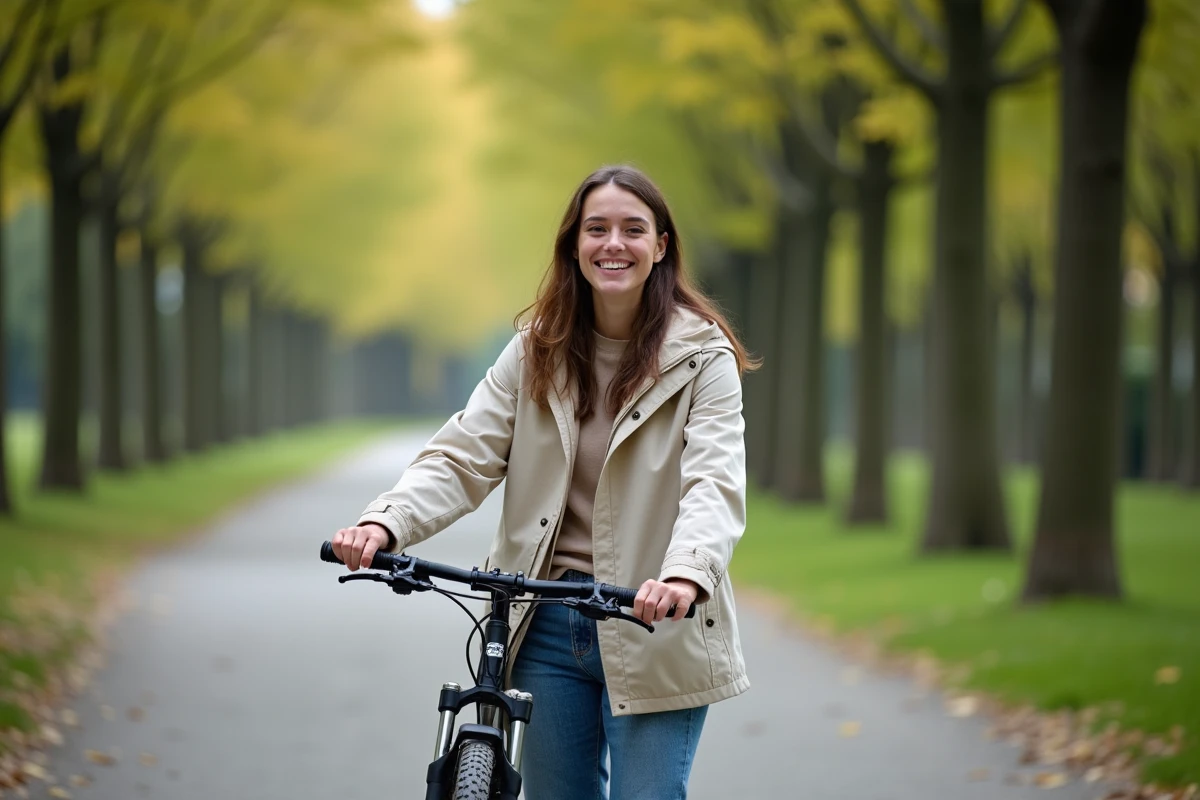
Maintaining your bike through the seasons: simple tips for pedaling with peace of mind
A well-maintained bike can go through the year without unpleasant surprises. Before each ride, take the time to check everything. The tires take the first hits: check the pressure, remove small debris, inspect for any cuts. A worn-out tire increases the risk of punctures and reduces grip, especially on wet roads or unstable gravel.
The chain deserves regular attention: a wipe down, a bit of oil, but not too much to avoid attracting dust. A check with a chain tool helps prevent wear and incidents during rides. As for the brakes, whether they are rim or disc brakes, they must always be responsive: check the condition of the pads and ensure they are properly centered. Braking should remain effective, progressive, and without suspicious noises.
In winter, moisture attacks the bearings and spokes. Get into the habit of drying the frame, especially for aluminum models or e-bikes. For the wheels, a check for trueness is necessary: spin the rim in front of a fixed point, and any wobble can be easily detected. A spoke that loosens is felt from the first turns and reduces the wheel’s lifespan.
A maintenance log will help you track the operations performed: cleaning, parts replacement, incidents encountered. This regular vigilance extends the lifespan of your bike and ensures smooth rides, whether it’s a spring day or a winter outing.
With thoughtful choices, meticulous preparation, and rigorous maintenance, biking reveals its full potential. The most beautiful discoveries often start with a well-inflated tire and a smoothly running chain: the taste of freedom, in essence, sometimes comes down to a simple well-executed gesture.